Forest School


Forest School is a long-term process of frequent and regular sessions in a woodland or natural environment, rather than a one-off visit. Planning, adaptation, observations and reviewing are integral elements of Forest School.

Forest School takes place in a woodland or natural wooded environment to support the development of a relationship between the learner and the natural world.

Forest School aims to promote the holistic development of all those involved, fostering resilient, confident, independent and creative learners.22

Forest School offers learners the opportunity to take supported risks appropriate to the environment and to themselves.

Forest School is run by qualified Forest School practitioners who continuously maintain and develop their professional practice.

Forest School uses a range of learner-centered processes to create a community for development and learning.
There is lots of research out there about the health and educational benefits of Forest Schools.
But if you take a look at these examples of Forest School activities, you'll see most of all it's a lot of fun:
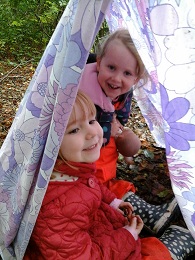
Shelter Building, Knot Use, Fire Lighting and Cooking, Wild Foods, Whittling.

Willow Crafts, Natural Jewellery, Weaving, Natural Dyes, Traditional Crafts.
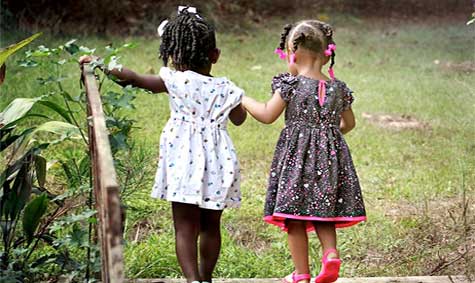
Blindfold Games, Circle Games, Problem Solving Activities, Team Games.
.jpg)
Shelter Building, Rafts, Rope Swings, Tree Houses, Pulleys.
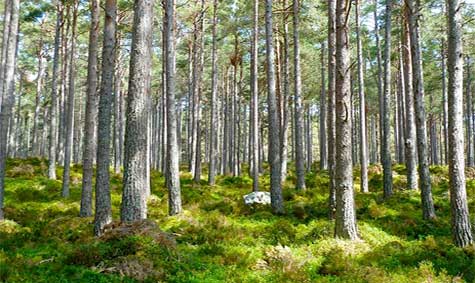
Tree Planting, Nest Box Construction, Coppicing, Fence/Path Building.
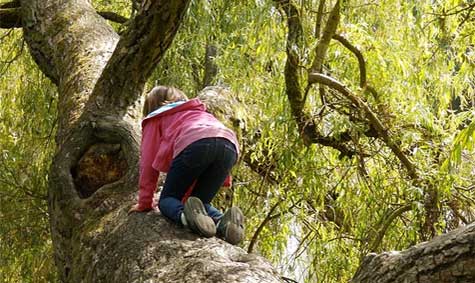
Tree Climbing, Balancing, Log Dragging, Digging.
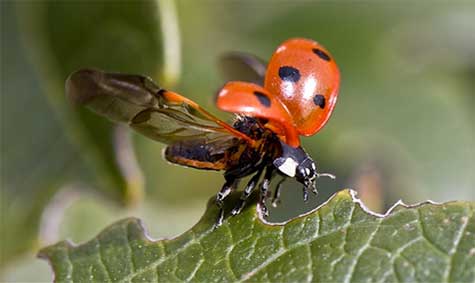
Mini Beast Hunts, Pond Dipping, Tree Identification, Bird Watching, Life Cycle Games.